
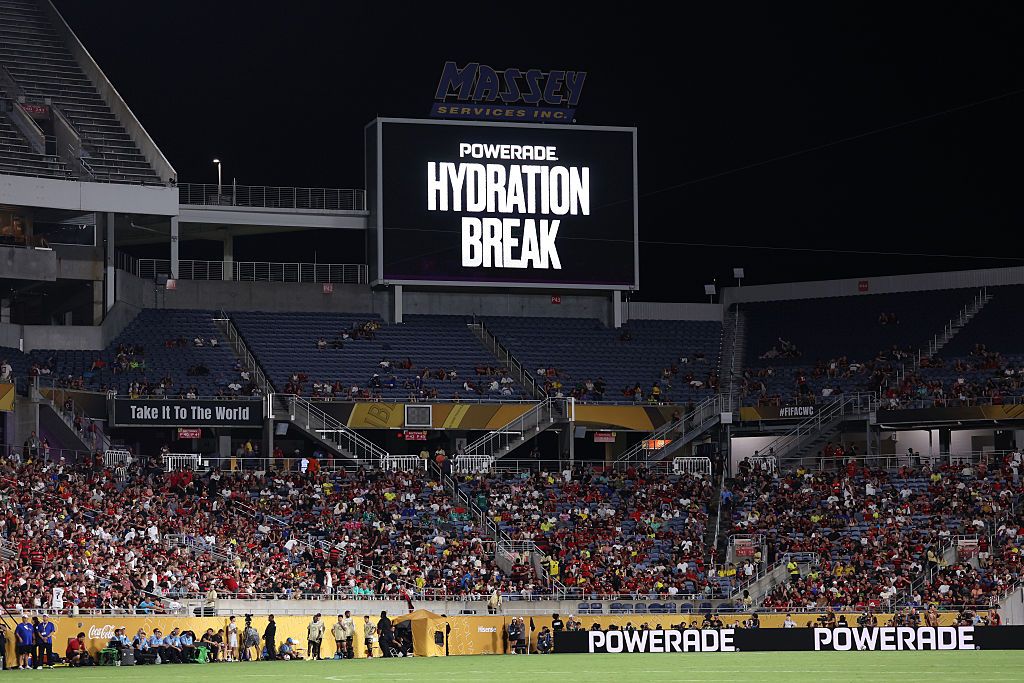
Copy linkFacebookXPinterestEmailShare this article 0Join the conversationFollow usAdd us as a preferred source on GoogleNewsletterSubscribe to our newsletterAccording to BBC co-commentator Stephen Warnock during Iraq vs Norway, the introduction of mandatory three-minute hydration breaks at World Cup 2026 is to the detriment of the game.Throughout the first week of the tournament, players have been able to take on fluids while absorbing tactical information from their managers too. Thats what half time is for, said Warnock, and hydration breaks should be 45-second affairs with drinks lined up on the opposite side of the pitch.Whether or not thats a viable solution, its reflective of a fundamental shift in how a half of football works. With managers able to get their players around them for such a length of time, concerns have been raised about the changing nature of momentum.Play our free match predictor and win �1kHow World Cup hydration breaks are killing momentumThere are a couple of ways to interpret the effect of the interruptions. A lengthy hydration break offers managers the kind of direct opportunity to affect a match theyd only otherwise get at half time, but the break itself can stifle the impetus and flow of a team.It might be a result of one factor more than another, it might be a combination of the two, but the interruptions are very real. Data visualisations shared by analyst and journalist Yash Thakur on social media have demonstrated the extent to which momentum has flipped completely from one team to the other. You may like World Cup day five highlights: Cape Verde humble Spain, water break frustration, work ahead for Marcelo Bielsa and groups shaping up nicely FIFA's widely-condemned World Cup 2026 water ban explained Explaining the new kick-off trend at the 2026 World Cup Thakurs graphics revealed particularly stark shifts in attacking momentum in a sample of early group stage fixtures, notably more pronounced in the first half of matches than the second.In Ivory Coasts first match against Ecuador, they were on top but ineffective throughout the first quarter before the first-half hydration break preceded a very clear shift in favour of Ecuador in terms of attacking actions.Get FourFourTwo NewsletterThe best features, fun and footballing quizzes, straight to your inbox every week.Contact me with news and offers from other Future brandsReceive email from us on behalf of our trusted partners or sponsorsBy submitting your information you agree to the Terms & Conditions and Privacy Policy and are aged 16 or over.Other examples included Japan seizing the initiative from the Netherlands after a shorter spell of Dutch dominance, and Morocco having a terrific spell immediately after the break against Brazil and scoring their equalising goal in the process.Even Swedens 5-1 win over Tunisia supported the argument. Tunisia were just sneaking into the game at the very end of its first quarter and Sweden immediately regained the ascendancy after three minutes on the sidelines.Sabri Lamouchi was sacked after that game and replaced as Tunisia manager by Herve Renard, the former boss of a whole host of national teams in Africa and beyond. What to read next Why 2026 FIFA World Cup could be the hottest ever England arent the greatest team in the heat, but we got to the semi-finals in Italy in 1990 when it was hot if you let the little things get to you, its all negatives Former England favourites open up on the challenge of the North American climate Every new FIFA rule at the 2026 World Cup: Goalkeeper timeout ban, five-second countdowns and VAR offsides what's changed While there are arguments against the creeping reach of advertising and American-style quarters, the stated basis of the hydration break is sensible enough. Some of the matches at World Cup 2026 are being played in searing heat and unbearable humidity, and the need to take on fluids is obvious.Theres logic in having it applied across the tournament regardless of conditions, too. It makes sense. Its only fair that every match follows the same format.But the unintended consequences of the timing, predictability and duration of the breaks are already becoming clear. Questions over whether such a fundamental change should have been allowed to happen by accident abound.What do you think? Would you alter the way hydration breaks are administered? Let us know belowTOPICSBrazilMoroccoTunisiaSwedenJapanNetherlandsIvory CoastEcuadorWorld CupWorld Cup 2026Chris NeeChris is a Warwickshire-based freelance football writer specialising in West Midlands football, the Premier League, the EFL and the J.League. He is the author of the High Protein Beef Paste football newsletter and owner of Aston Villa Review. He supports Coventry Sphinx.