
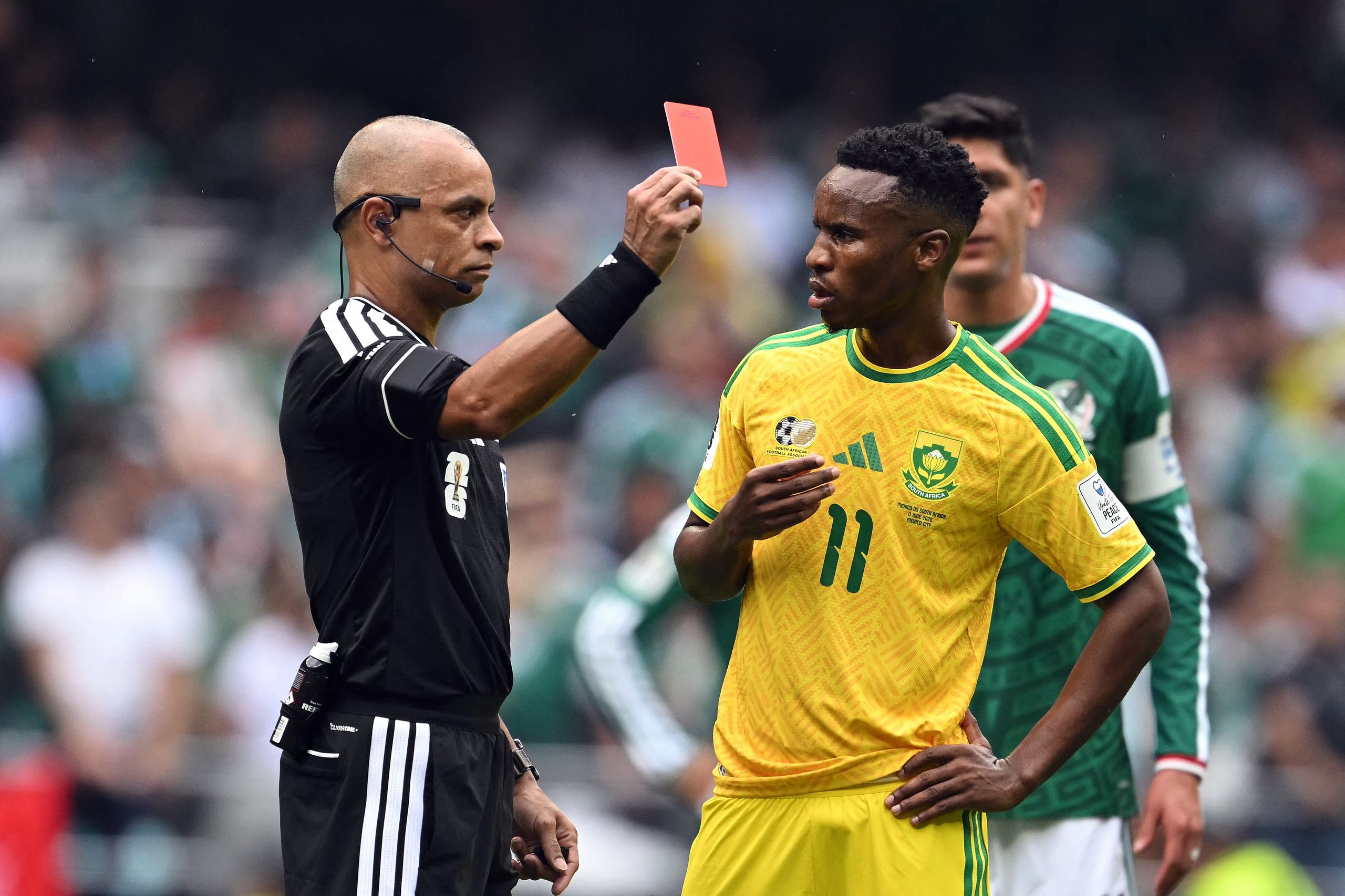
Copy linkFacebookXPinterestEmailShare this article 0Join the conversationFollow usAdd us as a preferred source on GoogleNewsletterSubscribe to our newsletterExperts have cast doubt on FIFAs claim that World Cup 2026 passed without any suspicious betting activity or indications of match-fixing relating to any of the tournaments 104 matches in June and July.The governing bodys Integrity Task Force went public with its findings on Tuesday, celebrating a squeaky-clean tournament with no dodgy gambling issues.Contradictory findings by the Group of Copenhagen, an independent body linked to the Council of Europe with a remit of preventing match-fixing in sport, were reported by The Athletic on Wednesday.Group of Copenhagen flag seven in-game noticesThe Group of Copenhagen report is due to be published soon but sources told The Athletic that potential irregularities were flagged by its integrity monitoring operation at the World Cup.In all, seven yellow notices instances raising several different indications of [betting] irregularities resulted from the monitoring. You may like FIFA World Cup spot-fixing scandal emerges as yellow card suspicions revealed: report How to watch World Cup 2026: FREE live streams, groups, next matches The 2026 World Cup highlighted huge problems in modern football - and who's at the heart of them The Group of Copenhagens notices can be explained by atypical behaviours such as changes in odds or hedging liquidities, there are many explanations that are not manipulations, betting expert Christian Kalb told The Athletic.The major problem is when there may be a conflict of interest and potential inside information on those issues.Get FourFourTwo NewsletterThe best features, fun and footballing quizzes, straight to your inbox every week.Contact me with news and offers from other Future brandsReceive email from us on behalf of our trusted partners or sponsorsBy submitting your information you agree to the Terms & Conditions and Privacy Policy and are aged 16 or over.When we speak of prediction markets, we can detect some unusual behaviours but we must be very careful as they can be used for hedging markets.The seven yellow notices reportedly included a market on whether Folarin Balogun would play for the United States against Belgium after he was sent off against Bosnia and Herzegovina with 14 other players sent off at the World Cup, and no similar markets observed.The Group of Copenhagen has also flagged Themba Zwanes red card in South Africas opening fixture against co-hosts Mexico and the lengthy VAR review that eventually disallowed Ferran Torres goal for Spain against Saudi Arabia in the group stage. What to read next FIFA World Cup 2026 fixtures & complete schedule Why there could be more cards than ever before at World Cup 2026 'A Private Party with Public Money Canada spent one billion dollars hosting 13 matches was it worth it? Polymarket, the cryptocurrency prediction market behind the flagged Balogun line, reportedly received more than �3.5 million in bets on Cape Verde beating or drawing with Spain in the group stage, a match that resulted in a shock 0-0 draw.Theres no direct allegation that the seven notices demonstrate undue influence over matches, nor that the handful of matches under increased surveillance in the last round of group stage fixtures raised the alarm.The Group of Copenhagen estimates that $240bn was placed in bets across the World Cup, approximately twice the amount from the 2022 World Cup in Qatar, reports The Athletic.The increase in betting is explained in part by the growth of the World Cup from 64 matches in 2022 to 104 matches in 2026 and such a vast total makes the prospect of irregularities inevitable almost by accident.A total of even flagged examples is near enough par for the course in such a colossus of a tournament. FIFAs own claim that no iffy betting patterns were observed is far from convincing on that basis alone.TOPICSWorld CupWorld Cup 2026Chris NeeChris is a Warwickshire-based freelance football writer specialising in West Midlands football, the Premier League, the EFL and the J.League. He is the author of the High Protein Beef Paste football newsletter and owner of Aston Villa Review. He supports Coventry Sphinx.