
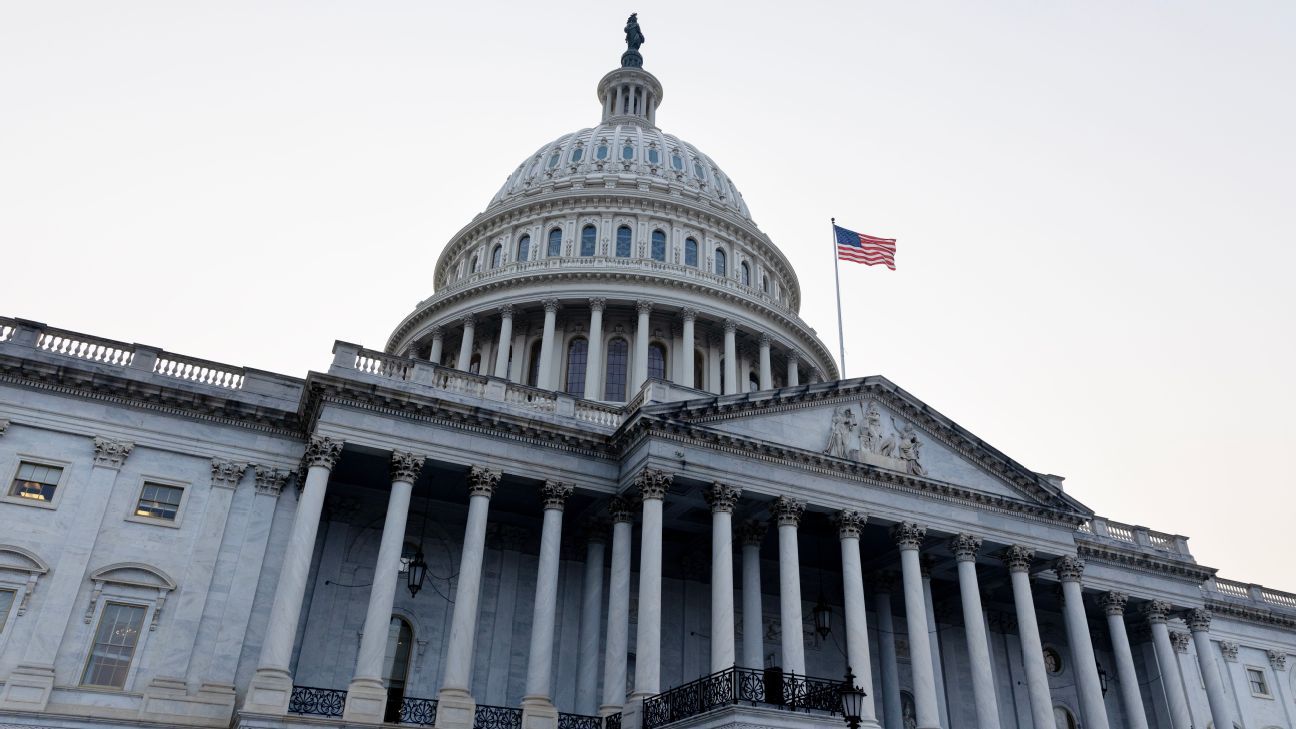
EmailPrintOpen Extended ReactionsA wide-sweeping federal bill to reshape college sports is headed to the Senate floor, marking the first time during a yearslong effort that the full U.S. Senate will have the opportunity to vote on a proposed solution to some of the issues facing the college sports industry.The Protect College Sports Act, spearheaded by Sens. Ted Cruz (R-Texas) and Maria Cantwell (D-Wash), would provide the NCAA with an antitrust exemption so that it could enforce a cap on payments to athletes as well as rules related to eligibility and transfers in college sports. It also creates an opportunity for schools to sell their media rights as one large entity rather than on a conference-by-conference basis, which is intended to help fund less profitable sports and close the significant financial gap between most of the college sports and its two biggest conferences, the SEC and Big Ten.The Senate Commerce Committee voted 19-9 on Thursday morning to move the bill forward to a full Senate vote. The details of the proposal are still subject to change. Its path to becoming a federal law remains an uphill battle, facing a time crunch ahead of November's elections and opposition on several fronts. Most notably, leaders from the SEC and Big Ten say they oppose the bill as it stands now."We continue to believe revisions are needed to secure our support for the bill," the SEC and Big Ten said Thursday in a joint statement. "... We are encouraged that several Commerce Committee members share our concerns and support these recommendations. We will continue working with stakeholders to ensure [the bill] delivers meaningful protections for student-athletes and lasting stability for college sports."Cantwell said she and the bill's other authors plan to continue discussing the language of the bill with leaders from those conferences and others who have raised objections."What we did today was say we're not going to let the most powerful, richest conferences dictate to the rest of America what's going to happen to 500,000 athletes," Cantwell said during the commerce committee voting session.The NCAA and its schools have been asking Congress for federal antitrust protection for the last six years. After several failed attempts in both the Senate and House, Cruz referred to the current bill as the industry's last best chance to get something done."No more punting," he said. "We're in fourth down territory. It's time to go for it."While the bill does provide an antitrust exemption, it remains silent on whether any college athletes should be considered employees of their schools in the future. Republicans, and most NCAA officials, wanted legislation that would block employee status for athletes because they say many smaller schools wouldn't be able to afford their current lineup of sports.In a social media post Wednesday evening, NCAA president Charlie Baker said he wanted to see more changes in the bill as it progresses through the legislative process."As a former governor, I understand that getting important legislation done requires compromise. While the bill does not address every issue college sports face, the current state of play cannot continue, and we must move the bill forward," Baker said. "I look forward to working alongside our student-athlete leaders and all 1,100 schools to advance this bill and make changes to ensure it's as effective as possible."Athletes would have the potential to unionize and collectively bargain for more pay or other benefits if they are deemed to be employees. Professional sports leagues are able to effectively enforce their own salary caps and other rules through negotiated collective bargaining agreements. Several college sports coaches and administrators have within the last year started to embrace the idea of bargaining with their athletes if Congress is unable to pass a bill.